
5 tips when switching from brick-and-mortar to eCommerce
03 Jul 2026
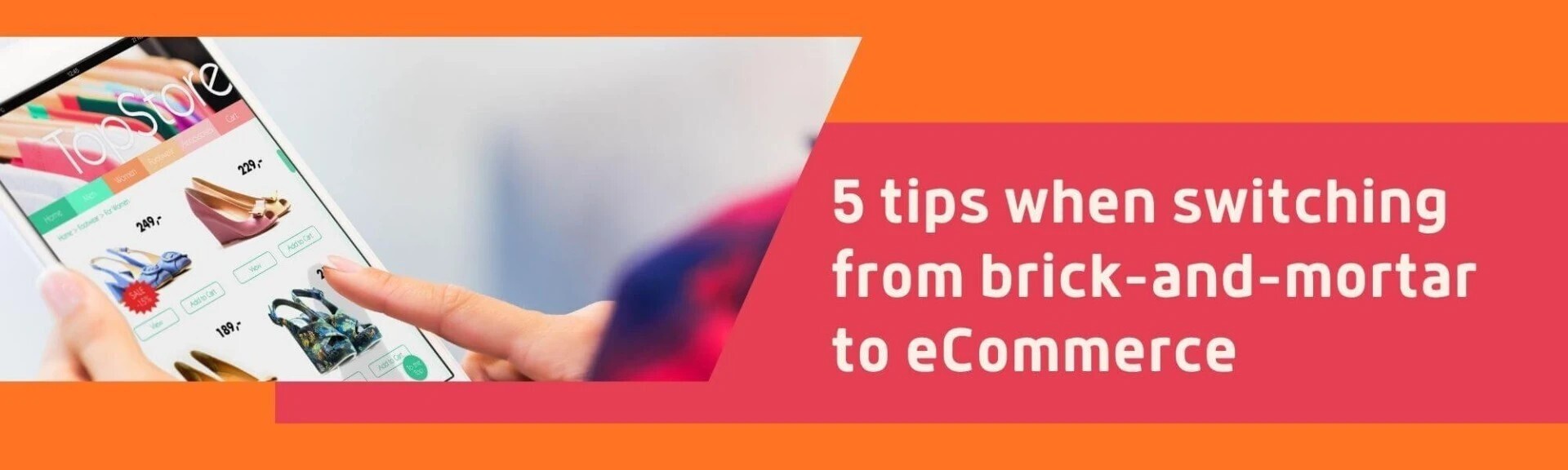
Buying habits have dramatically changed during this period of social distancing. Most retail purchases are now online, and will likely to continue in the next years as businesses keep on finding ways to better serve their customers.
If you own a physical store, you may have started to sell goods and services online. While the transition can be challenging, there are a few steps you can take to make it easier. Here are some tips to drive higher sales when shifting to online markets:
- Find a reliable platform to manage your online store: Before any order comes in, you need systems in place to power your online store. There's a lot of e-commerce solutions nowadays where you can sort products, manage inventory, and process payments in one convenient platform.
- Set up your website and social media pages: Make sure to integrate checkout buttons with your products and services so customers can easily purchase anytime, anywhere. Facebook and Instagram are easy channels too where you can create shoppable posts, and keep your customers up-to-date on promotions and more.
- Develop a strong marketing plan: Consider running ads, optimising content, and sending out email campaigns to promote your products and services. An effective marketing plan will allow you to reach customers in a more cost-effective approach.
- Find the best logistics partner for your order fulfilment: Consider outsourcing eCommerce fulfilment so you can focus more on building your brand. There are advantages of having a third-party logistics partner rather than doing the fulfilment in-house, such as lowering shipping costs and streamlining your back office.
You can successfully transition from brick-and-mortar to eCommerce by following these tips. If you decide to move forward with having a 3PL partner for your eCommerce business, check out our airWarehouse's services here.